Glamping and Wildlife: How to Safely Observe and Respect Animals
You're the Guest in Their House. Act Like It.
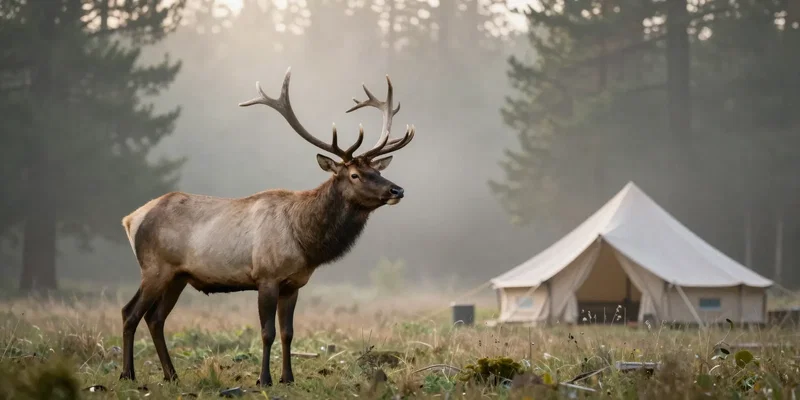
Look, let's get the obvious out of the way. You're not "roughing it." You've got a king-sized bed and probably a coffee machine in there. That's the whole point of glamping. But the second you step outside that plush tent flap? You're in someone else's living room. Their kitchen. Their nursery. The rules change. Actually, screw "rules." It's about respect. And respect starts with understanding that you are not the main character in this story. The wildlife is. Your goal isn't to get a selfie. It's to witness a moment without leaving a trace of your own.
Silence is Your Superpower
Forget the loud, excited chatter. Ditch the Bluetooth speaker pumping out lo-fi beats "to connect with nature." That's nonsense. Here's the thing: animals communicate in a language of snapped twigs, rustling leaves, and soft calls. Your human noise is a blaring alarm siren. The quieter you are, the more you'll see. Sit still for ten minutes. Just listen. You'll hear the forest wake up. You'll notice the deer you completely missed, frozen and watching you from the tree line. The best wildlife encounters aren’t chased. They’re allowed to happen.
The Golden Rule: Never, Ever Feed Them
This isn't debatable. Tossing a chip to a bird or leaving crumbs out seems harmless. It's not. It’s a death sentence. Human food makes animals sick. It teaches them to associate people with easy meals. A fed bear is a dead bear. That's the brutal, non-negotiable truth. It loses its natural fear, becomes a "problem," and gets relocated or worse. Your snacks stay in your sealed container. Your trash goes in the bear-proof locker—immediately. Feeding wildlife isn't kindness. It's pure, destructive selfishness.
Keep Your Distance. Seriously.
If you're close enough to make an animal change its behavior—if it stops eating, looks up, moves away—you're too close. That's your cue to back off. Use your zoom lens, not your feet. This isn't a petting zoo. That bison in Yellowstone? It can run three times faster than you. That "sleepy" seal on the beach? Its bite is septic. Your safety is your responsibility. Their peace is your privilege. Give them space to be wild. Anything less is harassment.
Glamping Smart is Respecting More
Your fancy setup is a secret weapon for low-impact living. Use it. Store every single scented item—toothpaste, deodorant, snacks, dog food—in the provided secure storage. Airtight containers are your best friend. Cook away from your sleeping area if you can. At night, keep the fairy lights and interior glow to a minimum. Bright lights mess with nocturnal creatures' rhythms. Your luxury basecamp shouldn't be a disruptive beacon. It should be a quiet, scent-free observatory that leaves the wild… well, wild.
Just Watch. Then Leave.
The most respectful thing you can do after an incredible sighting? Move on. Don't linger for "one more shot." Don't call your friends over and create a crowd. Let the animal get back to its day. Your memory, and maybe a photo taken from a respectful distance, is the only souvenir you need to take. The goal is for the next person, or better yet, that animal's next generation, to have the same chance at a magic moment. You had your turn. Now go enjoy your artisan marshmallow by the fire, and let the night belong to the creatures who live there.