Portable Glamping Heaters: Safe Options for Extra Warmth
Your Tent Isn't a Sauna (And That's a Good Thing)
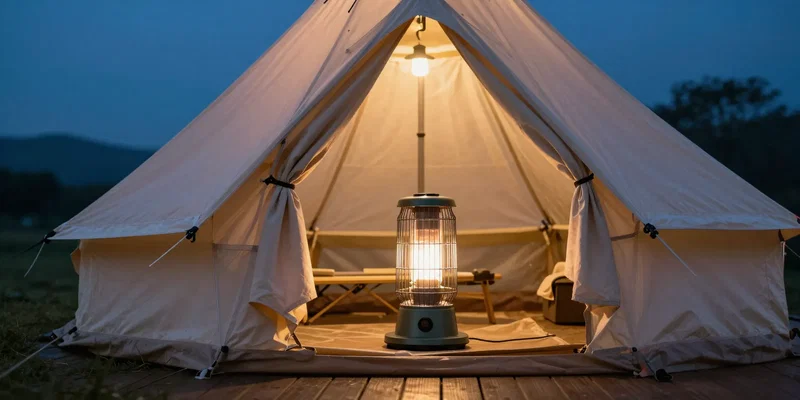
Alright, let's talk about the elephant in the room. Or rather, the little metal box that promises to turn your chilly canvas palace into a tropical paradise. Portable heaters for glamping are fantastic—until they're not. You're not just throwing a space heater from your basement into a nylon cave. That's a one-way ticket to a bad time. We're here to get cozy, not crispy. So let's cut through the hype and talk about real warmth, the kind that doesn't come with a side of anxiety.
Safety First, S'mores Second
Here's the thing: every single conversation about tent heaters starts and ends with safety. Full stop. It's boring? Maybe. But so is explaining to a park ranger how your tent became a modern art installation. We're dealing with open flames, fumes, and flammable materials. Always look for non-negotiable features: tip-over automatic shutoff and low-oxygen sensors (often called ODS pilots). These aren't fancy extras; they're your guardians. And for any fuel-burning heater, a battery-operated carbon monoxide detector is mandatory. Not a suggestion. A must-pack item, right next to your beer.
The Fuel Face-Off: Propane vs. Electric
Your main choice boils down to two camps. Propane heaters are the kings of raw, off-grid heat. They're powerful, work anywhere, and that little blue flame is weirdly satisfying. But they demand respect. Ventilation is critical. Crack a window or vent, even when it's cold. Seriously. Electric heaters are the safe, simple play—but only if you have a solid power source. Think powered campsites or a beefy generator. They’re often cooler to the touch, with no fumes. Zero ventilation needed. The catch? You're on a leash. No power, no heat.
Picking Your Glamping Heat Machine
Don't just buy the shiniest one. Match the tool to the job. Small radiant propane heaters (like the classic Buddy Heater) are great for taking the edge off. They're direct and personal. Catalytic heaters are quieter and more efficient, using a chemical reaction rather than a open flame—often a smarter choice for enclosed spaces. On the electric side, ceramic fans spread heat quickly, while oil-filled radiators provide a slower, steadier warmth. Bigger tent? Look at BTU ratings. Just want to warm your feet? A tiny personal heater might do it.
Setting Up for Success (And Sleep)
You've got the right gear. Now don't mess it up. Placement is everything. Always on a hard, level surface. Use a heat-resistant mat underneath if you're on a tent floor. Give it space—three feet from *anything* flammable is a good rule. That includes walls, your sleeping bag, and your pile of clothes. When you fire it up to warm the tent before bed, that's great. But for sleeping? Most seasoned folks will tell you to turn it off. Run it to get cozy, then bundle up in a proper cold-weather sleep system. It's the safest, most foolproof combo. You sleep soundly, in every sense of the word.